


Reel in Adventure: Jeff's Fishing Tales from Savannah to the Keys
Zoey
Join Jeff as he shares memorable fishing stories and catches from his adventures in Savannah and the Florida Keys.
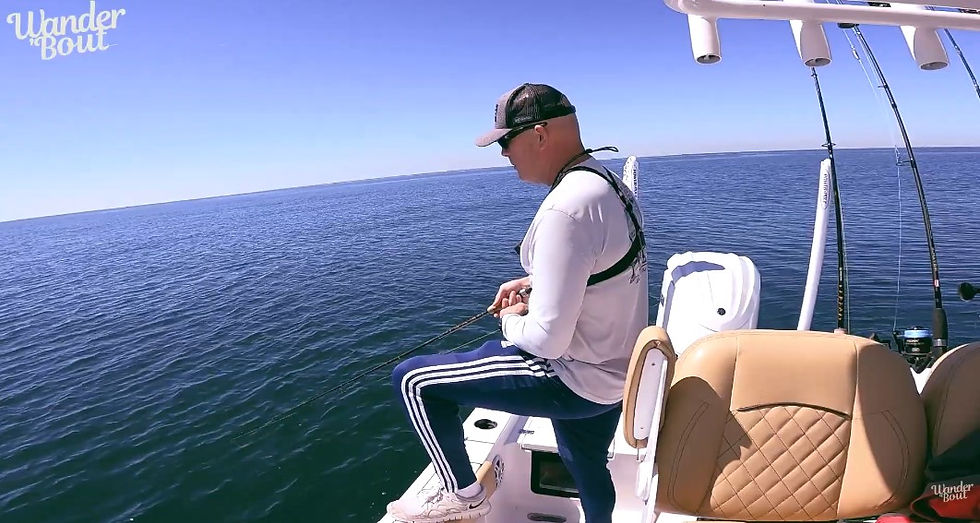
Fishing, for Jeff, is equal parts patience, intuition, and countless hours on the water. Over time, he's learned to read the tide cycles, bait movement, and subtle cues most people would miss. In this first chapter of Types of Fishes Jeff Has Caught on the Line, he walks us through the species that define his time on the water around Savannah — the reliable redfish, the elusive trout, the camouflaged flounder, and the one that keeps getting away.
Listen to what Jeff has to talk about here before you go on and read the blog:
Redfish: The Tide-Driven Teacher
"It probably took me a couple of years to figure out redfish," Jeff admits.
That's saying something for a guy who grew up bass fishing. Redfish are a different story — their world moves with the tide. Around Savannah, every stage of the tide changes the game, and Jeff has learned to predict the bite almost to the minute.
“Books and videos will tell you about fish structure," Jeff explains. "But until you spend hours on the water, you won't know how that structure behaves when the tide moves."
Redfish love grass edges, docks, drop-offs, and jetty lines. Jeff fishes the low-tide edge when they've left the flooded grass flats and gathers where his boat can reach them.
For family trips, live shrimp is his go-to. But when he's fishing solo, he prefers the challenge of artificial lures — scented paddle tails that imitate shrimp or small baitfish. His secret weapon? Side-scan sonar. It lets him "cheat," as he says, scanning dock lines for fish before dropping a line.
Pro tip: Learn your tides. If you don't have a flats skiff, find those low-tide windows when redfish stack along deeper edges.
Trout: Seek Clean Water
Trout fishing, on the other hand, is all about clarity — of both water and mind.
"A lot of people fish for trout like they do for redfish," Jeff says, "but around here, that won't work." In the murky creeks of Savannah, finding clean water is key. He cruises until he spots clearer pockets near oyster beds or channels.
An old local once told him, "Find clean water and oyster rakes, and you'll find trout."
Jeff now marks oyster rakes at low tide and comes back when the water rises. A cork rig with a live or imitation shrimp keeps his bait floating just above the oysters — right in the trout's strike zone but safely away from snags.
When winter hits, trout head deeper. Jeff switches to bottom rigs, dragging shrimp or soft plastics slowly through channel depths.
Pro tip: Float your bait about two feet above oyster beds at high tide — you'll stay out of the shells and in the strike zone.
Flounder: The Ambush Artists of the Bottom
If redfish are athletes and trout are tacticians, flounder are the patient assassins.
Among the types of fish Jeff has caught, flounder stand out for their stealthy, bottom-hugging nature. They lie camouflaged in the mud or sand, waiting for prey to pass by. Jeff finds them near small feeder creeks and shallow cuts where the tide pushes shrimp out.
His setup? A small paddle tail dragged slowly across the bottom. "When the bait stops and you feel a faint tap instead of a pull — that's probably a flounder," he says. "Don't yank right away. Give it a beat, then set the hook."
Chrissy, on the other hand, still isn't fully sold on flounder. "Once I found out they live in the mud, I couldn't look at them the same," she laughs. Jeff insists a fresh-caught, pan-fried flounder changes minds fast.
Quick tip: When you think you've snagged the bottom, wait a second. It might just be your dinner.
The One That Got Away: Tarpon Tales
Every fisherman has a ghost story — Jeff's is the tarpon. "I've hooked them plenty," he says, "but landing one? That's another story."
When he spots a tarpon rolling, he'll quietly motor closer, toss out a few live menhaden, and then cast into the mix. The hook-up is thrilling, but within seconds, the silver giant launches skyward or tears off on a blistering run. The result? A snapped line and a humbling reminder of who really runs the ocean.
Tarpon, Jeff admits, are the ultimate teachers of patience — and maybe pride.
Dream catch: Head to the Florida Keys for tarpon season if you want to understand why anglers call them "silver kings."
Gear & Tactics Jeff Swears By
Watch tides, not clocks. Fish behavior changes minute by minute with the tide.
Target structure. Grass edges, jetties, and oyster beds are prime hunting grounds.
Live shrimp = easy wins. Great for kids, families, and relaxed days.
Artificial baits = serious fun. Scented paddle tails and motion are key.
Use technology wisely. Side-scan sonar saves time and fuel.
Cork rigs for trout. Keep that shrimp just above oyster shells.
Becoming One with the Fish
"You don't just fish by the book," Jeff says. "You fish until you can feel what the water's doing."
To him, success on the water comes from noticing things most overlook — the nervous flicker of baitfish, a subtle wake that breaks the surface, or how a channel hums differently when the tide changes.
That's when you stop fishing for fish and start fishing with them.
Wrap-Up: Lessons from the Line
Each species teaches something new. Redfish move with the tide. Trout follow the clean water. Flounder test your patience. Tarpon keep you humble.
For Jeff, the real reward isn't just the catch — it's the story, the rhythm, and the river itself.
Next up in Types of Fishes Jeff Has Caught on the Line – Part 2, we'll follow him farther south into Florida, where snapper, grouper, and deeper waters bring new challenges (and bigger fights).
Gear We Use
PENN Wrath II Spinning Combo – Reliable and travel-friendly.
Qunler 35-Can Cooler Backpack – Keeps bait and drinks cold.
Large Picnic Blanket Beach Blanket – Perfect for shoreline breaks.
Book a Guided Trip
Want to fish like Jeff?
Find local captains and plan your next charter through Jeff's Fishing Charter — your ticket to the next big story.
Related Reads
Tangled Redfish: Cold-Water Fishing & Knot-Busting Tips